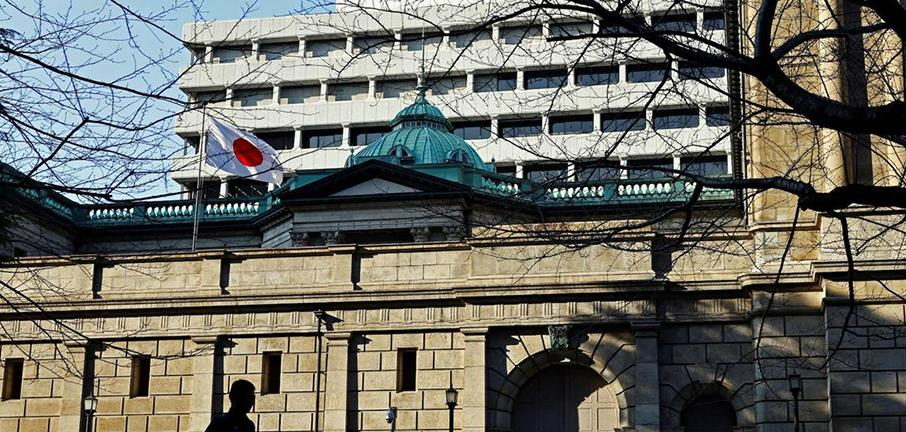
NEWS: The Bank of Japan raised interest rates on Friday to their highest since the 2008 global financial crisis and revised up its inflation forecasts, underscoring its confidence that rising wages will keep inflation stable around its 2% target.
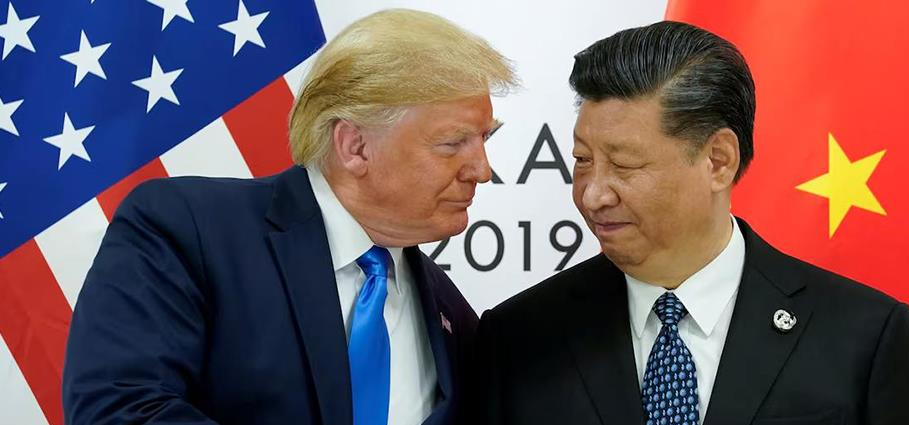
The decision marks its first rate hike since July last year and comes days after the inauguration of U.S. President Donald Trump, who is likely to keep global policymakers vigilant ahead of potential repercussions from threatened higher tariffs.
BOJ Governor Kazuo Ueda told a news conference that the weak yen continued to put upward pressure on import prices, while wage hikes were becoming more embedded and broad-based among companies.
“We have not preset idea,” he said on the timing of the next rate hike, saying the BOJ will make a decision on a meeting-to-meeting basis by looking at data available at the time.
At its two-day meeting concluding on Friday, the BOJ raised its short-term policy rate from 0.25% to 0.5% – a level Japan has not seen in 17 years. It was made in a 8-1 vote with board member Toyoaki Nakamura dissenting.
The widely expected move underscores the central bank’s resolve to steadily push up interest rates to around 1% – a level analysts see as neither cooling nor overheating Japan’s economy.
It also marks another step Japan is taking away from the deflation and stagnant economic growth that dogged the country for decades.
“The likelihood of achieving the BOJ’s outlook has been rising,” with many firms saying they will continue to raise wages steadily in this year’s annual wage negotiations, the central bank said in a statement announcing the decision.
“Underlying inflation is heightening towards the BOJ’s 2% target,” the central bank said, adding that financial markets remain stable as a whole.
The BOJ made no change to its guidance on future policy, saying that it will continue to raise interest rates if its economic and price forecasts are realized.
But it removed a phrase stressing the need to scrutinise risks surrounding overseas economies and markets, underscoring its conviction that solid U.S. growth will underpin Japan’s economy – at least for now.
The BOJ revised up its inflation forecasts and said risks to the price outlook were skewed to the upside, signaling its focus on the growing case for more rate hikes.
“Their logic remains the same. They are still far away from neutral, so it’s natural to make an adjustment,” said Naka Matsuzawa, chief macro strategist at Nomura Securities in Tokyo.
“Unless the BOJ either changes the logic of rate hikes, or even raises the neutral point, which they have been mulling – about 1% – there’s not going to much room for the market to price in further hikes in the future.”
The BOJ’s path is bound with uncertainty, however, with trade uncertainties and Trump calling for further rate cuts by the U.S. Federal Reserve and similar action from central banks around the world.
The yen rose around 0.5% to 155.32 per dollar after the BOJ’s decision and inflation upgrades, while the two-year Japanese government bond (JGB) yield rose to 0.705%, the highest since October 2008.
In its quarterly outlook report, the board raised its price forecasts to project core inflation moving at or above its 2% target for three straight years.
It also said risks to the inflation outlook were skewed to the upside amid intensifying labour shortages, rising prices of rice and the boost to import costs from a weak yen.
“With regards to this year’s annual wage negotiations, there have been many views expressed by firms that they will continue to raise wages steadily,” the report said.
The head of Japan’s union umbrella group told Reuters on Friday that Japanese annual pay increases must exceed the 5.1% secured last year as real wages continue to fall.
The board now projects core consumer inflation to hit 2.4% in fiscal 2025 before slowing to 2.0% in 2026. In the previous projection made in October, it expected inflation to hit 1.9% in both fiscal 2025 and 2026.
It made no change to its forecasts that Japan’s economy will grow 1.1% in fiscal 2025 and 1.0% in 2026.
While the U.S. economy has been solid and financial markets stable as a whole, the BOJ must be vigilant to uncertainties surrounding U.S. policy conduct, the report said.
“The hike may have been expected but in what feels like the first time in a very long time, there were no major downgrades to their economic outlook,” said Matt Simpson, senior market analyst at City Index in Brisbane.
“This keeps the door open to another 25bps hike by the year-end, and rates to sit at a whopping 0.75%.”
Japan’s core consumer inflation accelerated to 3.0% in December, the fastest annual pace in 16 months, data showed earlier on Friday, in a sign rising fuel and food prices continue to push up living costs for households.
After taking the helm in April 2023, Ueda dismantled his predecessor’s radical stimulus programme in March last year, and pushed up short-term interest rates to 0.25% in July.
BOJ policymakers have repeatedly said the central bank will keep raising rates, if Japan makes progress in achieving a cycle in which rising inflation boosts wages and lifts consumption – thereby allowing firms to continue passing on higher costs.